

1.Computer Engineering

About This Course
Computer Engineering is a dynamic field that blends the principles of electrical engineering and computer science to design, develop, and optimize computer systems and technologies. This course provides students with in-depth knowledge of hardware, software, and networking, equipping them to solve real-world computing problems through innovation and technology.
Course’s Objectives
To provide a strong foundation in computer architecture, algorithms, and system design. To develop skills in programming, data structures, and software development practices. To understand and apply principles of embedded systems, digital logic, and microprocessors. To prepare students for emerging technologies such as artificial intelligence, IoT, and cybersecurity.
- To provide a strong foundation in computer architecture, algorithms, and system design.
- To develop skills in programming, data structures, and software development practices.
- To understand and apply principles of embedded systems, digital logic, and microprocessors.
- To prepare students for emerging technologies such as artificial intelligence, IoT, and cybersecurity.
Curriculum
Instructor
2.Management
About This Course
Computer Engineering is a dynamic field that blends the principles of electrical engineering and computer science to design, develop, and optimize computer systems and technologies. This course provides students with in-depth knowledge of hardware, software, and networking, equipping them to solve real-world computing problems through innovation and technology.
Course’s Objectives
To provide a strong foundation in computer architecture, algorithms, and system design. To develop skills in programming, data structures, and software development practices. To understand and apply principles of embedded systems, digital logic, and microprocessors. To prepare students for emerging technologies such as artificial intelligence, IoT, and cybersecurity.
- To provide a strong foundation in computer architecture, algorithms, and system design.
- To develop skills in programming, data structures, and software development practices.
- To understand and apply principles of embedded systems, digital logic, and microprocessors.
- To prepare students for emerging technologies such as artificial intelligence, IoT, and cybersecurity.
Curriculum
Unit 1: Introduction to Engineering
| Lecture | Unit | Time |
|---|---|---|
| Lecture 1. 1 | Styling for mobile | 00 : 10 : 00 |
| Lecture 1. 2 | Styling for mobile | 00 : 20 : 00 |
| Lecture 1. 3 | Styling for mobile | 02 : 10 : 05 |
| Lecture | Unit | Time |
|---|---|---|
| Lecture 1. 1 | Styling for mobile | 00 : 10 : 00 |
| Lecture 1. 2 | Styling for mobile | 00 : 20 : 00 |
| Lecture 1. 3 | Styling for mobile | 02 : 10 : 05 |
| Lecture 1. 1 | Styling for mobile | 00 : 10 : 00 |
| Lecture 1. 2 | Styling for mobile | 00 : 20 : 00 |
| Lecture 1. 3 | Styling for mobile | 02 : 10 : 05 |
Unit 3: Programming Fundamentals
| Lecture | Unit | Time |
|---|---|---|
| Lecture 1. 1 | Styling for mobile | 00 : 10 : 00 |
| Lecture 1. 2 | Styling for mobile | 00 : 20 : 00 |
| Lecture 1. 3 | Styling for mobile | 02 : 10 : 05 |
Instructor
3.Education
About This Course
Computer Engineering is a dynamic field that blends the principles of electrical engineering and computer science to design, develop, and optimize computer systems and technologies. This course provides students with in-depth knowledge of hardware, software, and networking, equipping them to solve real-world computing problems through innovation and technology.
Course’s Objectives
To provide a strong foundation in computer architecture, algorithms, and system design. To develop skills in programming, data structures, and software development practices. To understand and apply principles of embedded systems, digital logic, and microprocessors. To prepare students for emerging technologies such as artificial intelligence, IoT, and cybersecurity.
- To provide a strong foundation in computer architecture, algorithms, and system design.
- To develop skills in programming, data structures, and software development practices.
- To understand and apply principles of embedded systems, digital logic, and microprocessors.
- To prepare students for emerging technologies such as artificial intelligence, IoT, and cybersecurity.
Share :
Curriculum
Unit 1: Introduction to Engineering
| Lecture | Unit | Time |
|---|---|---|
| Lecture 1. 1 | Styling for mobile | 00 : 10 : 00 |
| Lecture 1. 2 | Styling for mobile | 00 : 20 : 00 |
| Lecture 1. 3 | Styling for mobile | 02 : 10 : 05 |
| Lecture | Unit | Time |
|---|---|---|
| Lecture 1. 1 | Styling for mobile | 00 : 10 : 00 |
| Lecture 1. 2 | Styling for mobile | 00 : 20 : 00 |
| Lecture 1. 3 | Styling for mobile | 02 : 10 : 05 |
| Lecture 1. 1 | Styling for mobile | 00 : 10 : 00 |
| Lecture 1. 2 | Styling for mobile | 00 : 20 : 00 |
| Lecture 1. 3 | Styling for mobile | 02 : 10 : 05 |
Unit 3: Programming Fundamentals
| Lecture | Unit | Time |
|---|---|---|
| Lecture 1. 1 | Styling for mobile | 00 : 10 : 00 |
| Lecture 1. 2 | Styling for mobile | 00 : 20 : 00 |
| Lecture 1. 3 | Styling for mobile | 02 : 10 : 05 |
Instructor
-
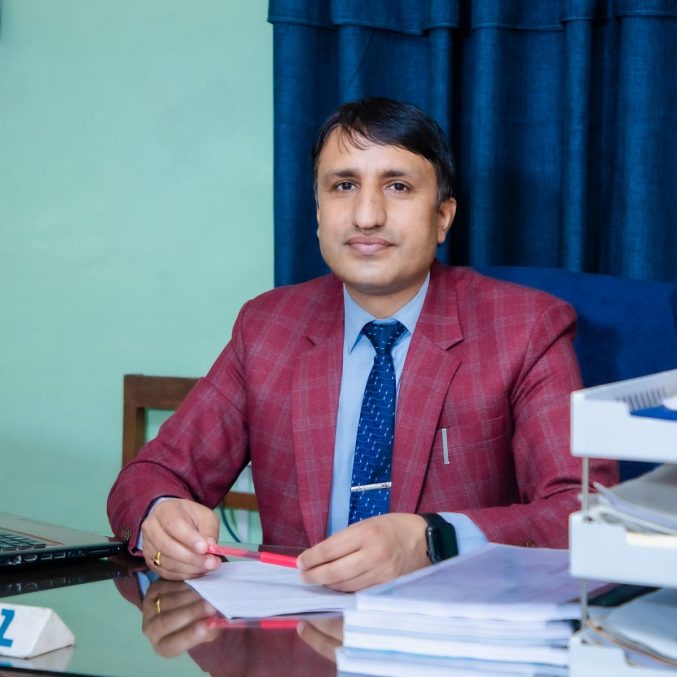
Deepak Khadka
Mr. Deepak Khadka has over 10 years of teaching experience in computer engineering at the secondary and bachelor levels. He specializes in computer networks, system architecture, and project-based learning. His teaching blends theory with real-world applications, encouraging students to explore technology through innovation.
-
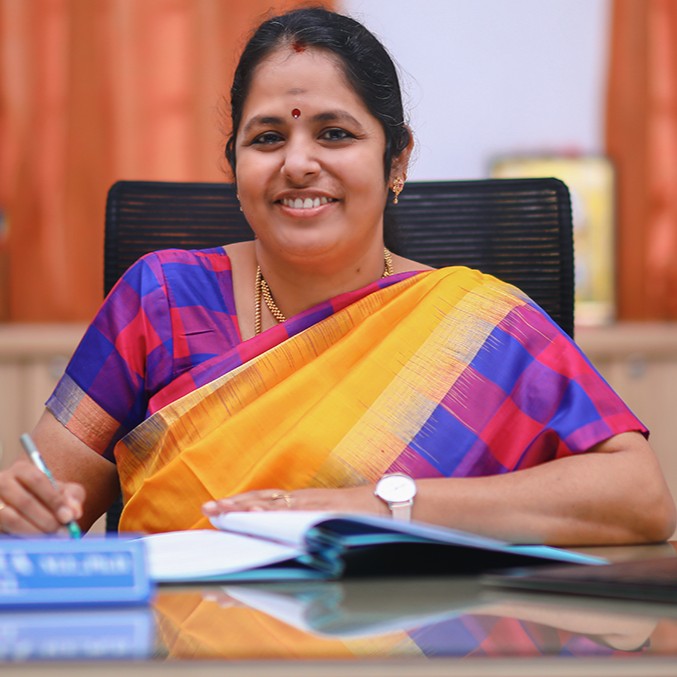
Sita Bist
Ms. Sita Bist focuses on teaching programming fundamentals and software development. She is passionate about guiding students in logic building and coding using languages like Python, C, and Java. With strong communication skills and practical knowledge, she creates an engaging and supportive learning environment.
-

ganga Thapa
Ms. ganga Thapacombines IT and engineering education with hands-on robotics and electronics projects. He leads workshops in Arduino, sensors, and automation, helping students understand embedded systems and Internet of Things (IoT). His teaching style focuses on experimentation and real-life technology use.
Deepak Khadka
Mr. Deepak Khadka has over 10 years of teaching experience in computer engineering at the secondary and bachelor levels. He specializes in computer networks, system architecture, and project-based learning. His teaching blends theory with real-world applications, encouraging students to explore technology through innovation.
Sita Bist
Ms. Sita Bist focuses on teaching programming fundamentals and software development. She is passionate about guiding students in logic building and coding using languages like Python, C, and Java. With strong communication skills and practical knowledge, she creates an engaging and supportive learning environment.
ganga Thapa
Ms. ganga Thapacombines IT and engineering education with hands-on robotics and electronics projects. He leads workshops in Arduino, sensors, and automation, helping students understand embedded systems and Internet of Things (IoT). His teaching style focuses on experimentation and real-life technology use.